
Bringing Film & Television Equipment into the UK: Understanding the ATA Carnet Process
The UK’s wide variety of locations, experienced crews and internationally recognised studios make it one of the world’s most popular destinations for overseas film and television production.
At Pudu, we work with a network of top-rated rental houses across the country, and can support your production by renting local equipment (EQ) as the local production service, and can use our established relationships with the rentals to get good deals on your behalf.
Many of the crews we work with also send in-house or regular DPs or photographers who wish to bring their own equipment in from abroad.
For most overseas productions, the simplest and most efficient way to temporarily import cameras, lighting, sound equipment and other professional gear is through the ATA Carnet scheme.
The carnet process is well established and widely used for international productions taking place in the UK. With the right preparation, bringing equipment in can be straightforward and cost-effective.
What is an ATA Carnet?
Sometimes referred to as a ‘passport for goods’, an ATA Carnet is an international customs document that allows goods, such as your film or photo EQ, to be temporarily imported into another country without paying import duties or taxes.
For film and television productions, carnets are commonly used for:
- Cameras and lenses
- Lighting equipment
- Grip equipment
- Sound recording equipment
- Drones
- Monitors and playback systems
- Production computers and hard drives
- Wardrobe and props
- Specialist broadcast equipment
The carnet confirms to customs authorities that the equipment will leave the country again after the shoot has finished.
Without a carnet, customs officials may require a production company to pay import VAT of up to 20% on the value of the EQ, and duties at the border. So the cost can be substantial if the value of the equipment being imported is high.
Do all productions need a carnet?
Whether a carnet is required depends on several factors, including:
- The country the equipment is travelling from
- The value of the equipment
- Whether the gear will leave the UK again after filming
- The type of production activity taking place
In general, productions bringing professional filming equipment into the UK temporarily should strongly consider using a carnet, particularly for higher-value items.
Even where customs officials may permit temporary admission via the Temporary Admission Scheme without a carnet, productions can face delays, additional paperwork, or requests for financial guarantees at the border.
For this reason, most experienced international production companies prefer to travel with a carnet.
Which countries use ATA Carnets?
The ATA Carnet system is recognised by more than 70 countries and territories worldwide including the USA, Canada, Australia, EU countries and Japan. If your equipment is travelling from a carnet-member country into the UK, the process is generally straightforward.
How does the carnet process work?
The carnet is issued in the country where the equipment is based before travel begins, and is normally organised by an ATA Carnet service in their home territory at least 2-3 weeks, or ideally a month, before travel. The process involves preparing a detailed equipment list of all items, often called a General List, which includes:
- Item descriptions
- Serial numbers
- Country of origin
- Weight
- Value
Once issued, the carnet documents travel with the EQ and are presented to customs authorities, on departure from the home country and on arrival in the UK.
At the end of the location shoot, the carnet is presented again on departure from the UK and upon re-entry into the home country. At each stage, customs officers stamp the carnet to confirm the movement of the goods.
These stamps are extremely important. Missing stamps can result in customs claims, fines, or demands for unpaid taxes.

What equipment should be listed?
Production companies should include all professional equipment being temporarily imported into the UK. Typical examples include:
Camera Department
- Cinema cameras
- Lenses
- Tripods
- Stabilisation rigs
- Media cards
- Monitors
Lighting Department
- LED fixtures
- Ballasts
- Stands
- Power distribution equipment
Sound Department
- Boom microphones
- Wireless systems
- Audio recorders
- Mixing equipment
Production Equipment
- Laptops
- Editing stations
- Hard drives
- Video village equipment
Drone Equipment
Drone EQ should also be included in the carnet, but be aware that different local authorities within the UK may have different rules and requirements for filming with drones, so separate operational permissions for flights at locations may need to be obtained.
How long can equipment stay in the UK?
ATA Carnets are usually valid for one year from the date of issue, however, the equipment itself is generally expected to remain only for the temporary duration of the production activity. The equipment must leave the UK before the carnet expires.
What happens at the UK border?
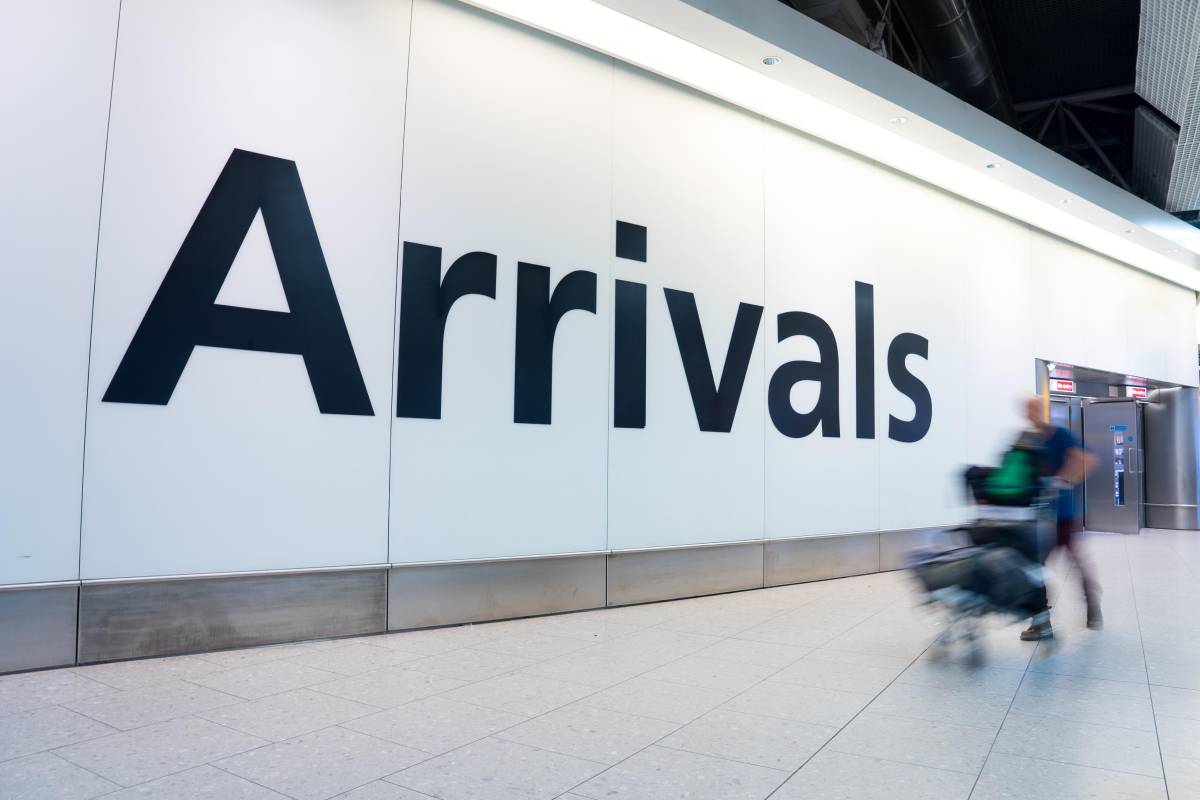
When arriving in the UK, productions should declare the carnet to customs officials. This usually takes place in the “Goods to Declare” channel at the airport or freight terminal. Here customs officers may review the carnet paperwork and inspect equipment to verify serial numbers. They will then stamp the importation section of the carnet. When leaving the UK, the carnet must be stamped again to confirm the goods are being re-exported.
Failure to obtain the correct exit stamp is one of the most common carnet problems faced by productions, so it’s worth making sure your crew member handling the carnet checks the carnet documents were correctly stamped.
Can equipment travel separately from crew?
Yes, many productions ship equipment separately via freight forwarders or specialist film logistics companies. In these cases, the carnet should travel with the shipment documentation.
It is common for larger productions to work with customs brokers or freight agents experienced in film and television imports, particularly where multiple cases of equipment are involved.
Common carnet mistakes productions should avoid
Incomplete equipment lists – descriptions should be clear and accurate, including serial numbers wherever possible.
Missing customs stamps – every movement in and out of the UK should be properly stamped.
Last-minute applications – carnets should be arranged in advance, ideally one month prior to travel, particularly for larger productions.
Carrying undeclared equipment – items not listed on the carnet may face customs issues on arrival, so it’s important to check all items including smaller accessories and batteries are listed.
Confusing crew visas with customs clearance – an ATA Carnet covers equipment only. Separate immigration rules apply to cast and crew entering the UK.
Does a carnet replace immigration permission?
No.
The carnet process only relates to temporary importation of goods.
Crew members must still ensure they have the correct permission to enter the UK, whether through:
- ETA clearance for non-visa nationals
- Visitor visas for visa nationals
As with immigration rules, overseas crews working on location shoots for productions financed and produced outside the UK can often enter as business visitors, provided they meet the relevant conditions. See our blog post on ETA, VISA AND WORK PERMIT advice for foreign talent and crew traveling to the UK on location shoots here.
Practical tips for smooth entry into the UK
Productions bringing equipment into the UK should consider the following:
- Prepare carnet paperwork early
- Keep digital and printed copies available
- Label all equipment and documents with consistent serial numbers
- Allow additional airport time for customs inspections
- Work with experienced freight agents when possible, particularly for larger productions with large EQ carnets
- Keep call sheets and production schedules available in case customs officers request supporting information to verify your purpose for bringing EQ into the UK
Finally
For most overseas productions, obtaining an ATA Carnet is the safest and simplest way to bring recording equipment into the country without unexpected customs charges or delays. With proper preparation, foreign production companies can move cameras, lighting, sound and technical equipment into the UK smoothly, allowing crews to focus on the production itself rather than border formalities.
If your production requires guidance on UK entry rules, visitor permissions, or temporary equipment importation for filming activity, contact Pudu UK before travel and we can support you in avoiding costly delays once your crew arrives.